

Arab parties gain leverage after Israel election deadlock
Politics · First reported 31 Oct, 02:21 · Updated 09:51
Arab-majority parties won a record 19 seats in Israel’s 120-seat Knesset after increased Arab voter turnout. Neither major bloc secured a majority, leaving government formation uncertain and giving the parties potential influence, though voters and observers differ on whether that leverage will bring practical change.
- Arab-majority parties won 19 seats, up from 10 in the previous election, as turnout among Arab voters reached a record level.
- Neither Benjamin Netanyahu’s coalition nor Gadi Eisenkot’s rival bloc won a majority; both blocs had previously ruled out working with Arab-majority parties.
- Voters cited concerns including equality, local conditions and government policy, but some questioned whether the result would produce change or encourage them to vote again.
Summary written by Lux AI from 2 articles
Key facts
- Arab-majority parties’ seats
- 19 of 120 Knesset seats, compared with 10 in the previous election.
- Turnout
- The report describes Arab voter turnout as a record.
- Government formation
- Neither Netanyahu’s coalition nor Eisenkot’s bloc secured a majority.
- Election date
- The election took place on Tuesday; the report was published Saturday, 31 October 2026.
Source spectrum
Far left
Left
Lean left
Centre


Lean right
Right
Far right
Left 0 · Centre 2 · Right 0 of 2 rated sources
Images from the coverage
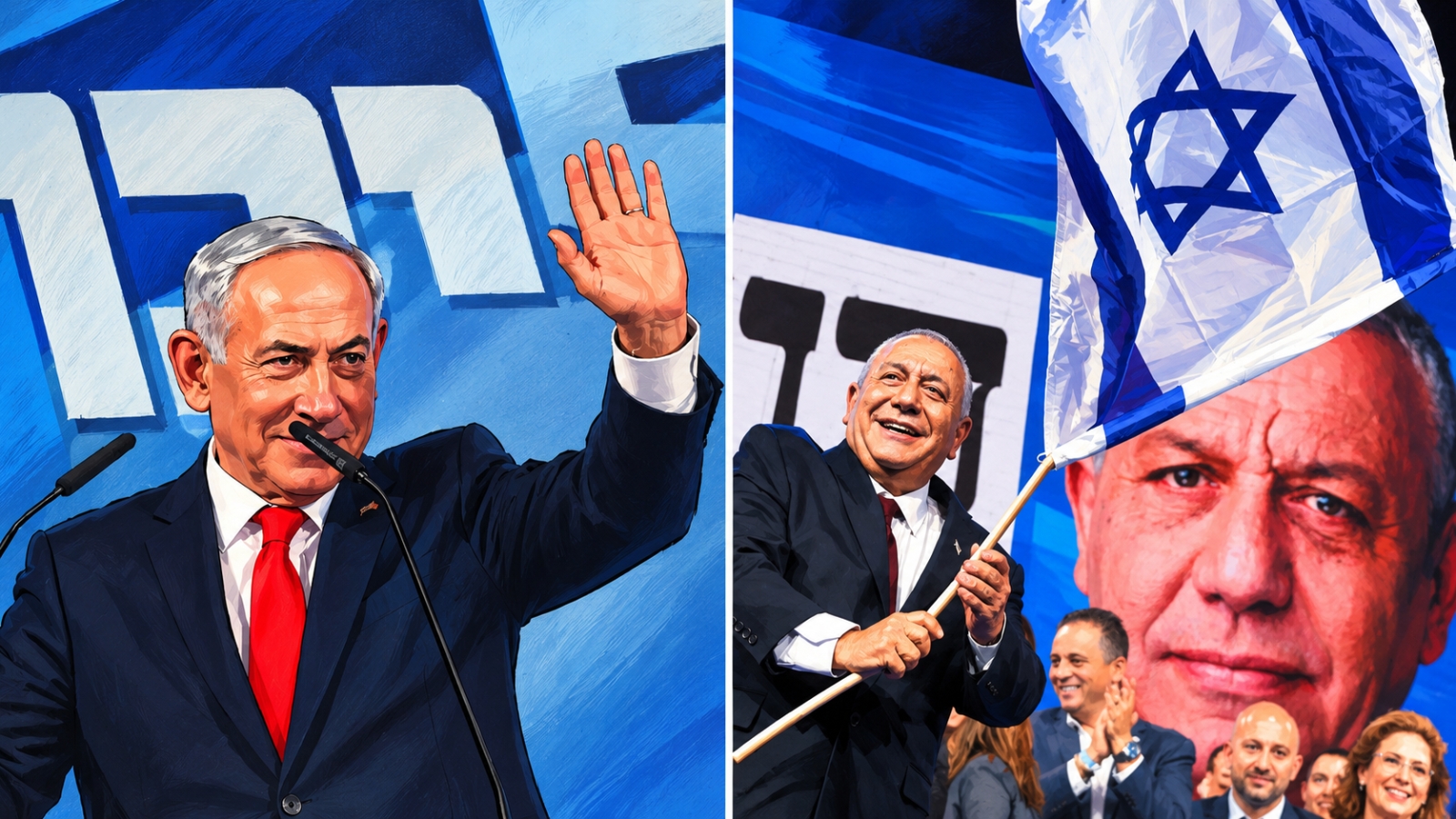
Background
- Earlier coverage reported increased Bedouin turnout in some Negev communities and a total of 19 Knesset seats for Palestinian-led parties. [69bfba19-92cf-43c0-b2c4-1c35ac3e8f29]
- An earlier report said neither main bloc had won a majority and described calls for Eisenkot to seek Arab-party support; it said outside support could give his bloc 67 seats. [2d1543ce-8abe-417a-86a9-a4667aa1a8ca]
- Earlier coverage noted disputes over allegations of foreign-backed wrongdoing and said the Arab-led parties could influence government formation, with next steps uncertain. [ca773f86-e653-477a-a826-1a94e6a28a92]
All coverage
Coverage over time
LeftCentreRight
Articles per hour since first reported, by side.
Ownership
- Corporation 50% (1)
- Public broadcaster 50% (1)
Share of the 2 sources by owner type.