

Israel election leaves coalition options uncertain
Politics · First reported 28 Oct, 18:43 · Updated 18:56
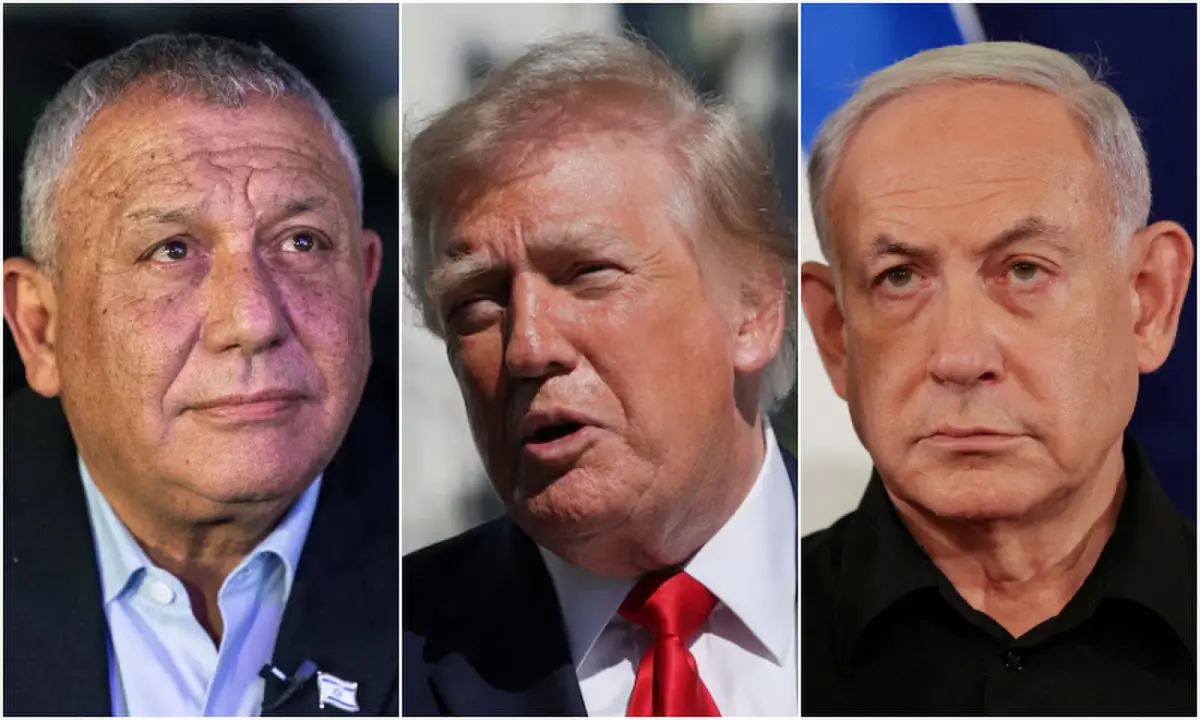
Israel’s election has produced no clear route to a governing majority, leaving coalition talks, a unity government or another election among the possibilities. The result could affect US-Israeli coordination on Iran and efforts around Gaza, though the reporting describes no expected major change in Israeli policy toward Palestinians.
- More than 90% of votes had been counted, but no candidate had a clear path to forming a coalition; a government needs 61 parliamentary seats.
- Netanyahu’s allies had 53 seats and Eisenkot’s allies 48, according to NPR; another report says Netanyahu’s bloc won the most seats but lost its majority.
- Possible routes out of the impasse include partnering with Arab-led parties, forming a unity government, or holding another election; the reports say these options face political obstacles.
- The election’s outcome may shape US-Israeli relations as the two countries face the Iran conflict and stalled Gaza peace efforts.
Summary written by Lux AI from 4 articles
Key facts
- Seats needed for a majority
- 61
- Seats held by Netanyahu’s allies
- 53
- Seats held by Eisenkot’s allies
- 48
- Vote count reported by NPR
- More than 90% counted
- Arab-led parties’ seats
- 19, described by NPR as a record
Source spectrum
Far left
Left
Lean left


Centre


Lean right
Right
Far right
Left 3 · Centre 3 · Right 0 of 6 rated sources
Images from the coverage

All coverage
- Explainer: How could Israel break the election deadlock?29 Oct, 09:55
- Explainer-How could Israel break the election deadlock?29 Oct, 09:32
Coverage over time
LeftCentreRight
Articles per hour since first reported, by side.
Ownership
- Government 33% (2)
- Non-profit 33% (2)
- Corporation 33% (2)
Share of the 6 sources by owner type.