

Clean Energy Trade Restrictions Slow Transition as Smaller Economies Open Markets
Technology · First reported 12 Nov, 17:24 · Updated 17:40
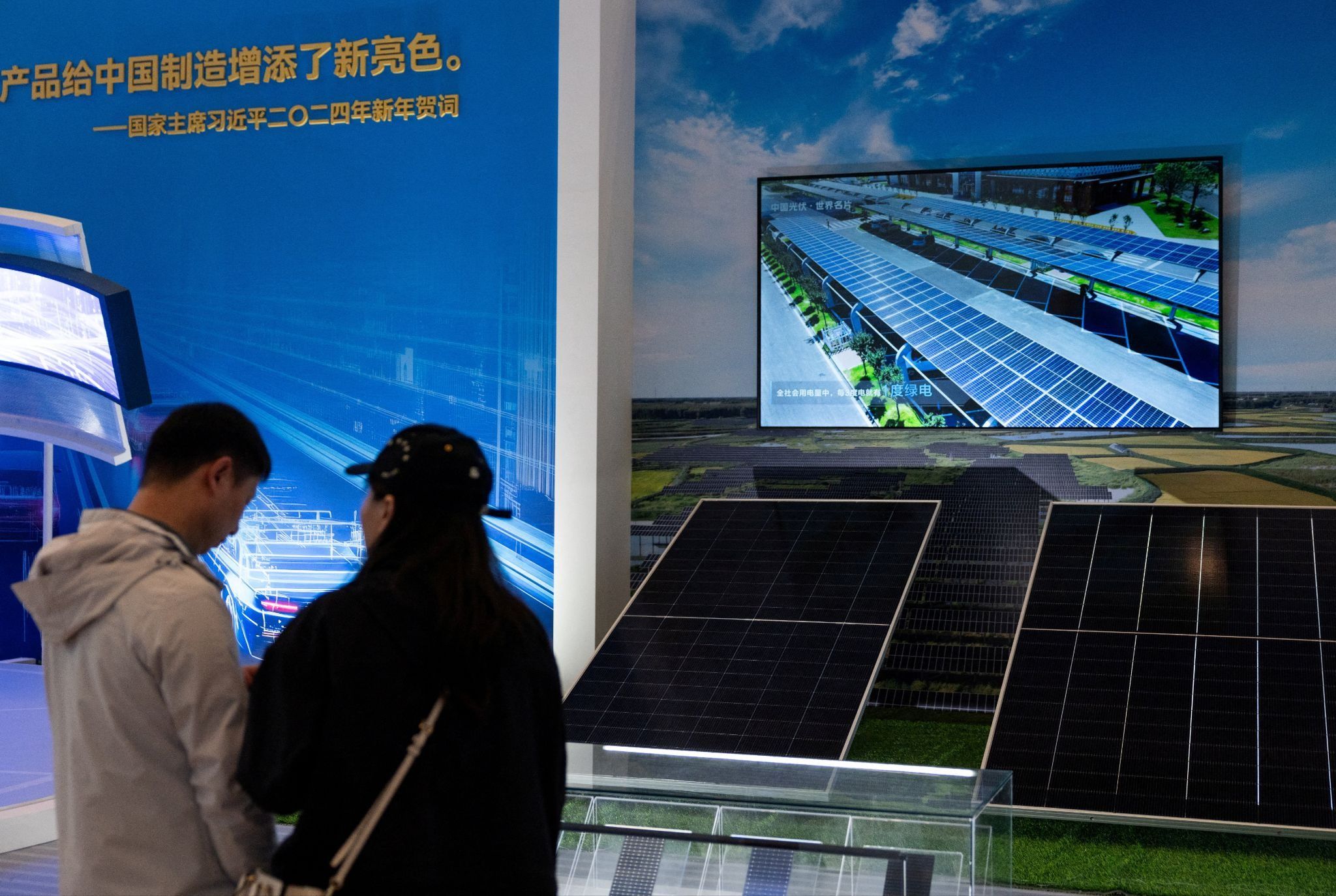
Data from the Oxford Climate Policy Monitor shows major economies representing 58% of global GDP have introduced import restrictions on clean energy technologies, often targeting Chinese goods, while smaller economies accounting for 8% of global GDP are opening their markets. An analysis by the University of Oxford's Blavatnik School of Government found these barriers raise costs and slow the energy transition, though selective restrictions may help balance climate goals with industrial and economic security.
- Major economies accounting for 58% of global GDP have enacted at least one import restriction on clean energy technologies, with many measures aimed at Chinese goods.
- Smaller economies outside China representing roughly 8% of world GDP are liberalising imports of electric vehicles, batteries, wind, and solar equipment, creating a de facto free trade zone.
- Researchers at the Blavatnik School of Government at the University of Oxford found that while trade restrictions slow and raise the cost of the energy transition, combining selective restrictions with openness could balance climate policy, industrial development, and economic security.
Summary written by Sumzly from 2 articles
Key facts
- Share of global GDP with clean tech import restrictions
- 58%
- Share of global GDP liberalising clean tech imports
- About 8%
- Data source
- Oxford Climate Policy Monitor
- Research institution
- Blavatnik School of Government, University of Oxford
- Quoted researcher
- Claas Mertens, brief co-author
- Liberalised technologies
- EVs, batteries, wind and solar equipment
Source spectrum

Left 0 · Centre 2 · Right 0 of 2 rated sources
Images from the coverage
All coverage
Coverage over time
LeftCentreRight
Articles per hour since first reported, by side.
Ownership
- Unknown 100% (2)
Share of the 2 sources by owner type.