

Israel election leaves both main blocs short of a majority
Politics · First reported 29 Oct, 12:30 · Updated 18:28

Final results give Benjamin Netanyahu’s bloc 53 seats and the opposition bloc led by Gadi Eisenkot 48 in the 120-seat Knesset. Arab-led parties won 19 seats, and negotiations now face the challenge of finding a route to the 61 seats needed for a majority.
- Netanyahu’s bloc won 53 seats and Eisenkot’s opposition bloc 48, leaving both short of the 61 needed for a Knesset majority.
- Arab-led parties won a combined 19 seats. Both main blocs have ruled out forming a government with the two principal Arab parties, Ra’am and the Joint List.
- The results are to be certified and submitted to President Isaac Herzog, who will consult party leaders before choosing a candidate to try to form a government.
- Possible paths outlined include a coalition built by either main bloc, a unity government, or another election; each faces political obstacles.
- Election officials said they found no basis for claims of systematic violations of electoral integrity, while allegations of foreign interference were referred for investigation.
Summary written by Lux AI from 5 articles
Key facts
- Knesset seats
- Netanyahu bloc: 53; Eisenkot opposition bloc: 48; Arab-led parties: 19.
- Majority threshold
- 61 seats in the 120-member Knesset.
- Next step
- Results are to be certified and submitted to President Isaac Herzog, who will consult party chairs and select a candidate to try to form a government.
- Party seat totals
- Likud won 27 seats; Yashar won 21.
Source spectrum
Far left
Left
Lean left


Centre

Lean right
Right
Far right
Left 3 · Centre 1 · Right 0 of 4 rated sources
Images from the coverage

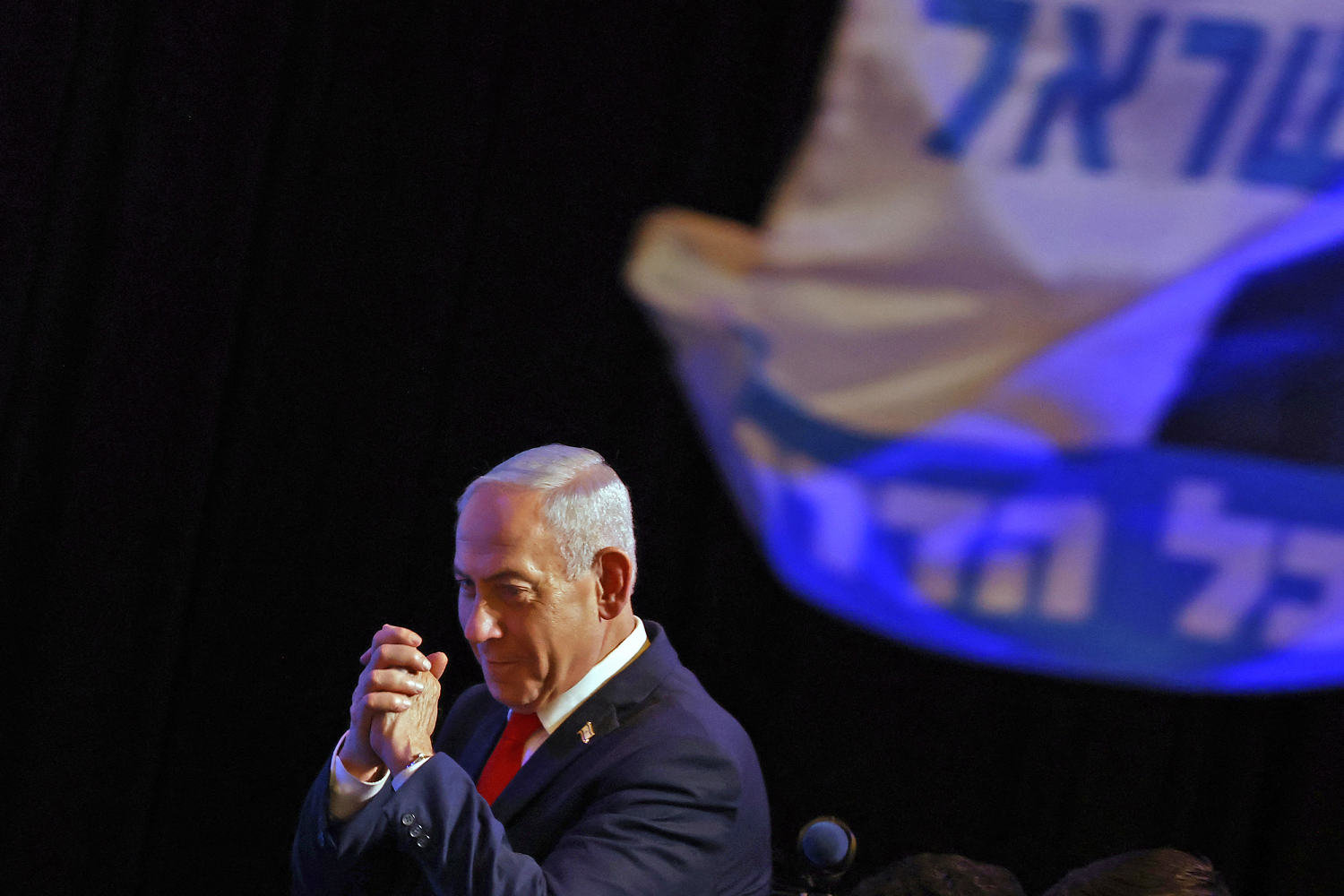

Background
- An earlier Lux summary reported the same bloc totals—53 for Netanyahu’s bloc and 48 for the opposition—and said coalition negotiations might hinge on Arab-led parties. [35751d04-320a-4c68-a34a-adfc7acbf6e4]
- That earlier summary also said Israel’s election authority found no basis for claims of systematic interference. [35751d04-320a-4c68-a34a-adfc7acbf6e4]
All coverage
- No Clear Winner in Israel Election, Final Results Show29 Oct, 23:07
Coverage over time
LeftCentreRight
Articles per hour since first reported, by side.
Ownership
- Corporation 75% (3)
- Government 25% (1)
Share of the 4 sources by owner type.