

Ancient Martian meteorite offers evidence of water on early Mars
Science · First reported 29 Oct, 18:02 · Updated 18:52

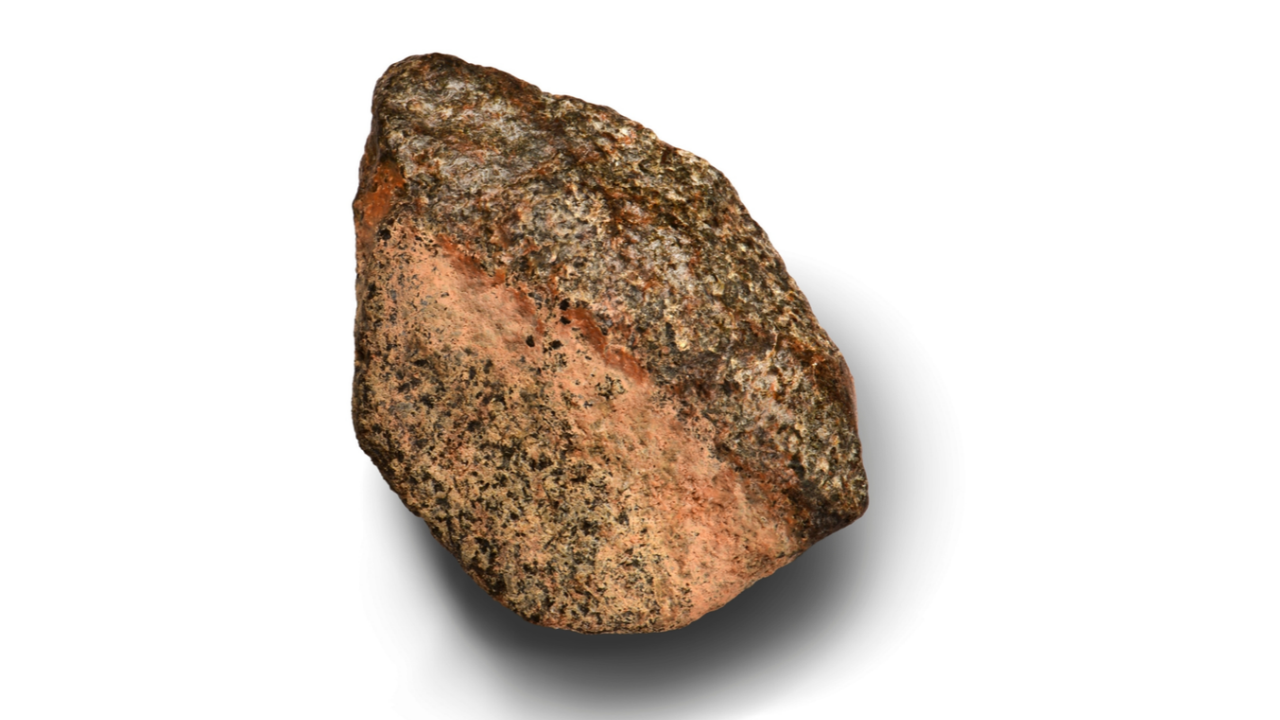
Teghaza 001, found in Mali’s Sahara in 2022, formed more than 4.1 billion years ago and shows signs of water interacting with Martian rock. Researchers say it offers clues about early Mars, but does not establish whether life existed there.
- Teghaza 001 was found in 2022 in Mali’s Sahara and is among the oldest known Martian meteorites on Earth.
- Its minerals and chemical signatures indicate that water interacted with rock in early Mars’ crust. The findings support the possibility of habitable conditions, but do not answer whether Mars had life.
- Researchers have not established the meteorite’s precise Martian birthplace. One account says its chemistry may point to the southern highlands, while another reports 13 possible locations.
Summary written by Lux AI from 2 articles
Key facts
- Meteorite
- Teghaza 001
- Found
- 2022, in Mali’s Sahara
- Age
- At least / more than 4.1 billion years
- Pieces found
- Eight
- Possible source locations
- 13 identified by researchers, with the precise origin unresolved
Source spectrum
Far left
Left
Lean left
Centre

Lean right

Right
Far right
Left 0 · Centre 1 · Right 1 of 2 rated sources
Images from the coverage
All coverage
Coverage over time
LeftCentreRight
Articles per hour since first reported, by side.
Ownership
- Corporation 50% (1)
- Government 50% (1)
Share of the 2 sources by owner type.