

Oxford Street pedestrian zone opens as wider overhaul continues
World · London · First reported 25 Oct, 17:25 · Updated 22:08

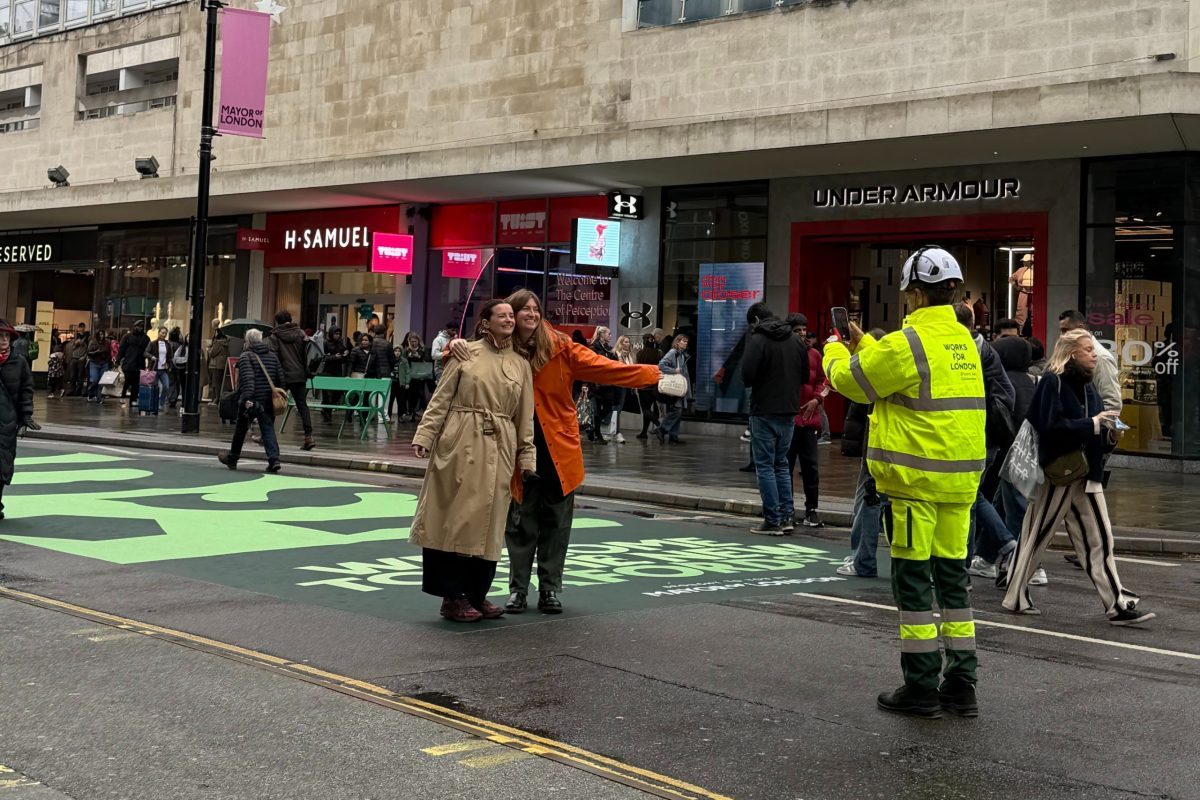
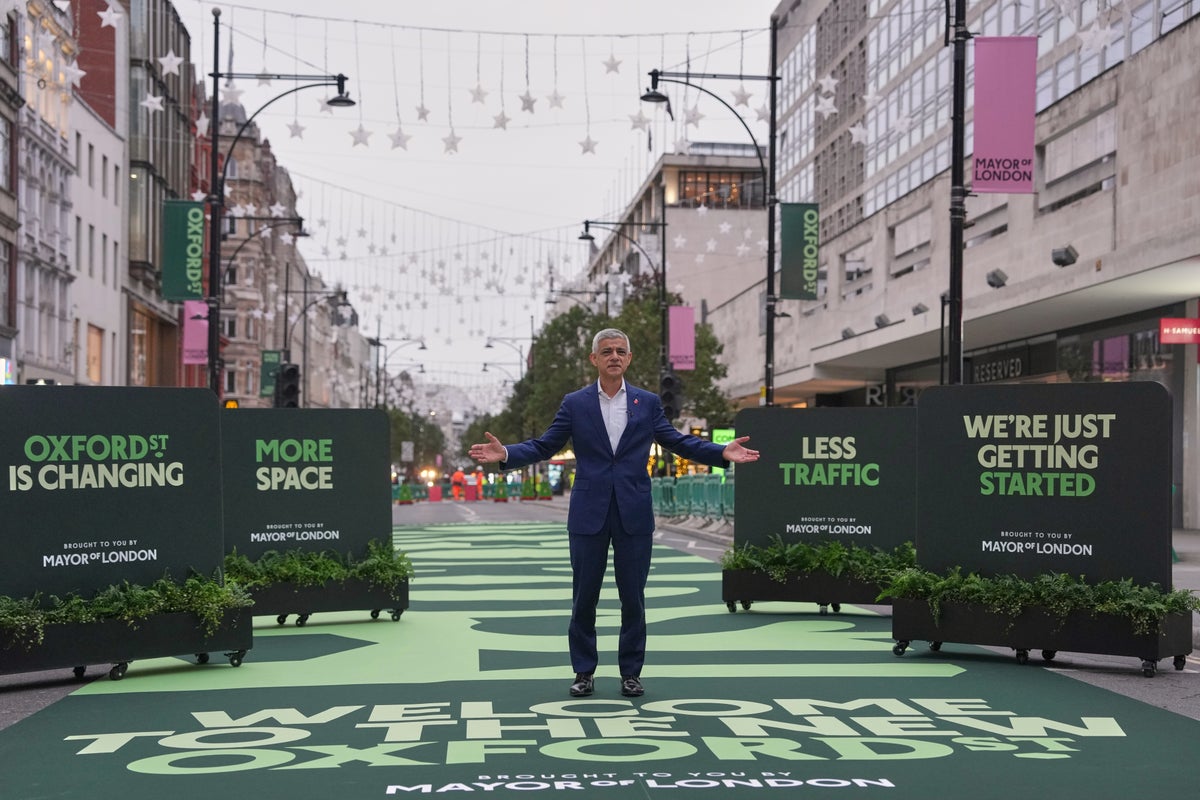
A 1km section of London’s Oxford Street is becoming traffic-free, with new seating, planting and trees planned as the transformation continues. Supporters hope to revive its shopping appeal, while critics warn about congestion on surrounding streets.
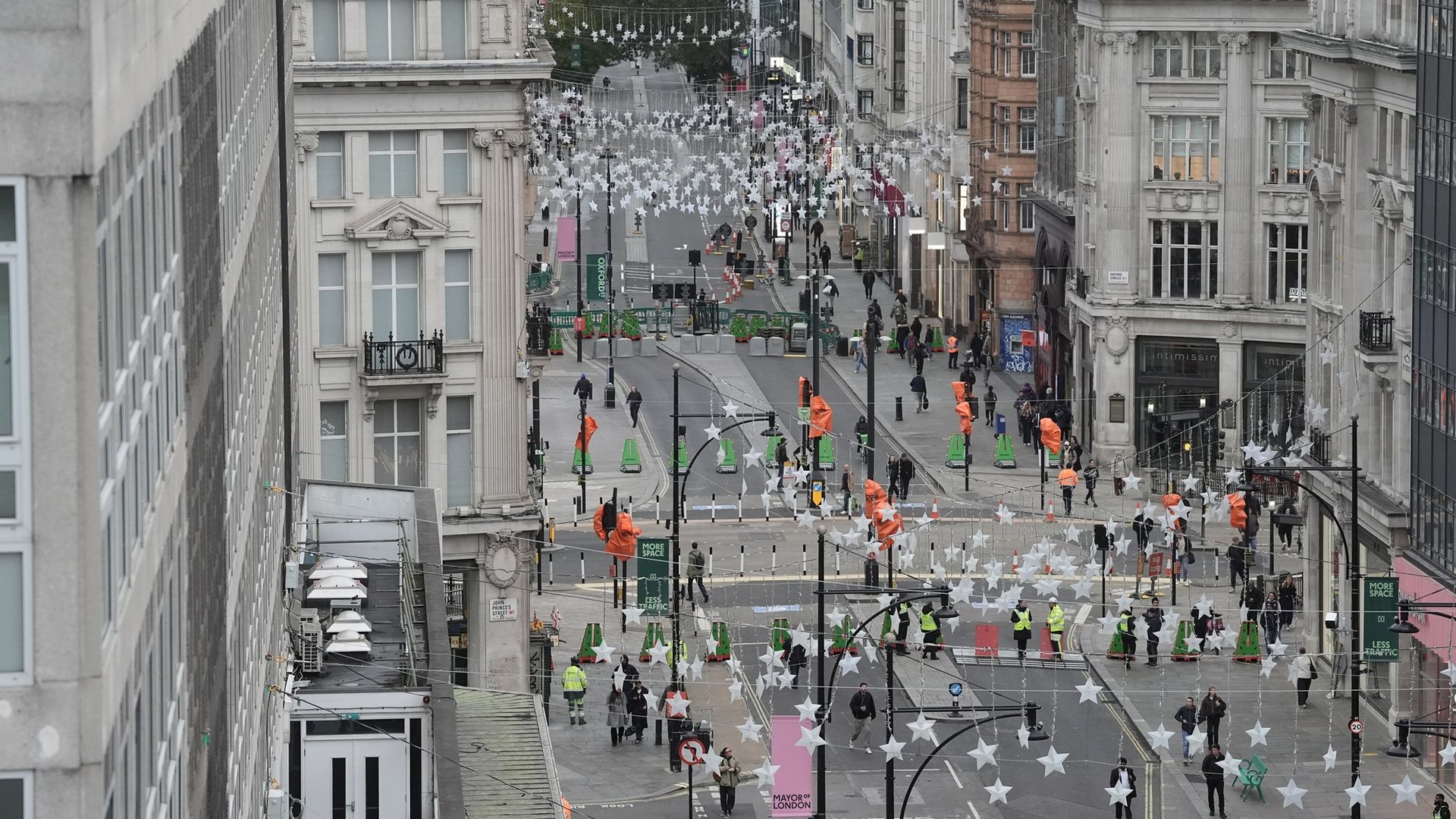
- The section between Orchard Street and Great Portland Street closes to vehicles, cycles and scooters from Monday. North–south traffic can still cross at designated points.
- Initial arrangements include temporary barriers and Transport for London travel ambassadors to explain the layout. Longer-term plans include around 100 seats, more than 50 trees and landscaped areas.
- The Greater London Authority estimates the scheme will generate £82m in annual value locally by increasing footfall and encouraging longer visits. The Guardian notes that this projected impact remains to be seen.
- Critics warn that displaced traffic could increase congestion on nearby streets, including Wigmore Street, Brook Street and Regent Street.
- The Week describes a £150m transformation following decades of controversy. The BBC says the first phase is expected to be completed by spring 2027.
Summary written by Lux AI from 6 articles
Key facts
- Pedestrian zone
- 1km section of Oxford Street.
- Transformation cost
- £150m, according to The Week’s snippet.
- Projected local value
- £82m annually, estimated by the Greater London Authority.
- Planned amenities
- Around 100 new seats and more than 50 trees.
- First-phase completion
- Expected by spring 2027.
Source spectrum
Far left
Left

Lean left

Centre


Lean right


Right


Far right
Left 2 · Centre 7 · Right 4 of 13 rated sources
Images from the coverage



All coverage
- Oxford Street pedestrianisation is a win for London26 Oct, 11:27
Coverage over time
LeftCentreRight
Articles per hour since first reported, by side.
Ownership
- Corporation 54% (7)
- Non-profit 15% (2)
- Billionaire 15% (2)
- Public broadcaster 15% (2)
Share of the 13 sources by owner type.