

Artemis II launch linked to major ionosphere disruption
Science · First reported 4 Nov, 17:00 · Updated 17:28
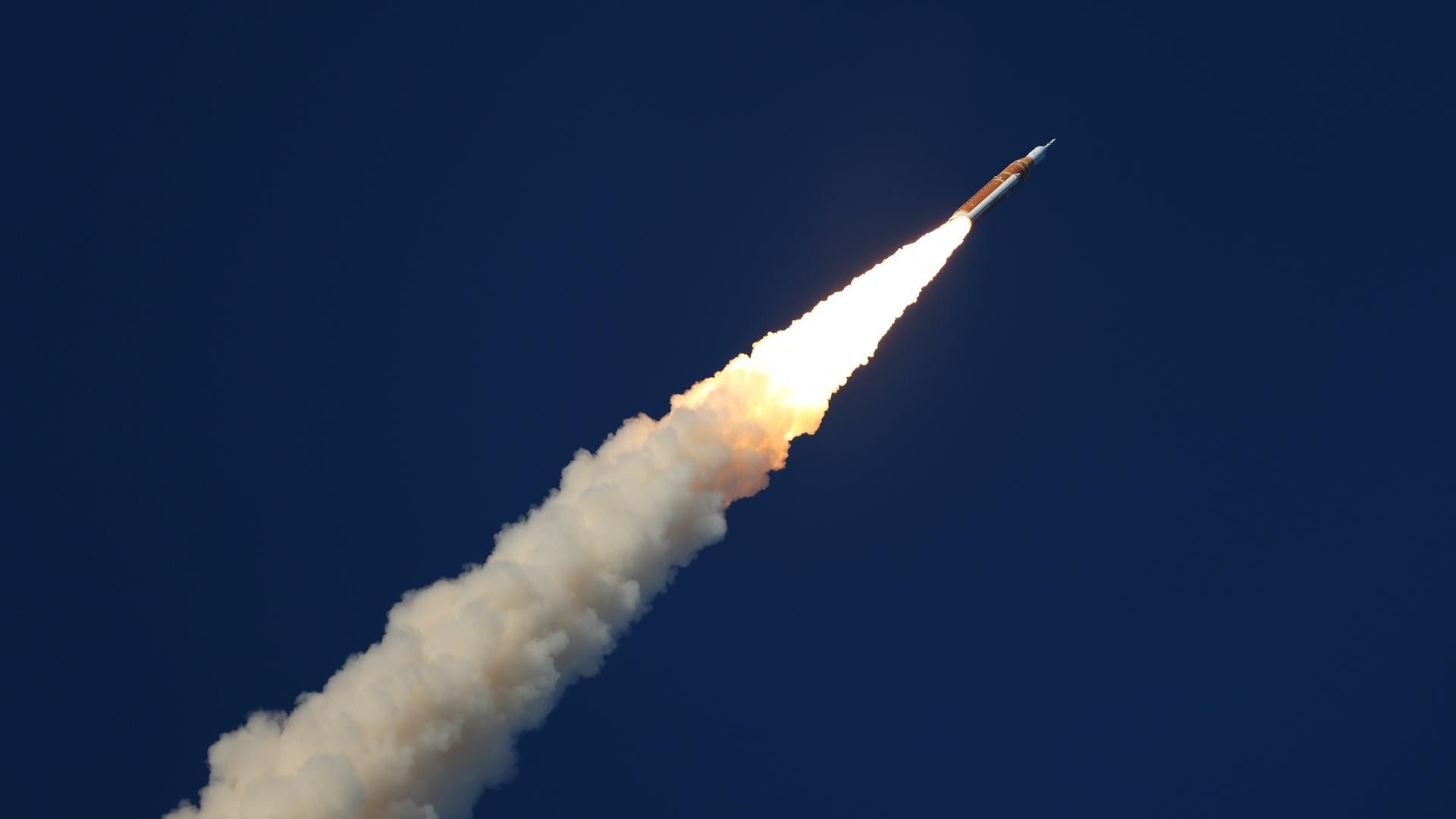
Researchers reported that Artemis II’s launch and upper-stage engine burns created large ionospheric disturbances and altered GPS signals. The supplied reporting highlights possible effects on precise navigation, including for autonomous vehicles and drones.
- Researchers observed two ionospheric gaps after the Artemis II mission; the article reports that each extended across a 3,100-mile-wide swath of the American continent.
- The reported disturbances followed the rocket’s passage through the atmosphere and two upper-stage engine burns about 115 miles above Earth.
- Researchers used terrestrial GPS receiver data to assess how the ionosphere affected signal travel times.
- The article says the resulting positioning errors were several feet and could matter for autonomous-car lane changes and drone positioning.
- A second centre-side snippet says researchers are still examining potential impacts; it does not provide further details.
Summary written by Lux AI from 3 articles
Key facts
- Observed features
- Two ionospheric gaps, each described as spanning a 3,100-mile-wide swath across the American continent.
- Reported altitude of upper-stage burns
- 115 miles above Earth.
- Reported positioning error
- Several feet.
- Assessment method
- Terrestrial GPS receiver data were used to measure signal travel times.
Source spectrum
Far left
Left
Lean left
Centre


Lean right
Right

Far right
Left 0 · Centre 2 · Right 1 of 3 rated sources
Images from the coverage

Background
- An earlier Lux story reported that Turkey signed the US-led Artemis Accords and that its moon rovers would hitch a ride with China.
- An earlier Lux story said Google and NASA were developing an experimental robot to assist deep-space crews with equipment and routine tasks, including supervised medical support.
All coverage
Coverage over time
LeftCentreRight
Articles per hour since first reported, by side.
Ownership
- Corporation 67% (2)
- Billionaire 33% (1)
Share of the 3 sources by owner type.