

South Korea plans to expand naval patrols near the Strait of Hormuz
World · First reported 5 Nov, 02:14 · Updated 23:37
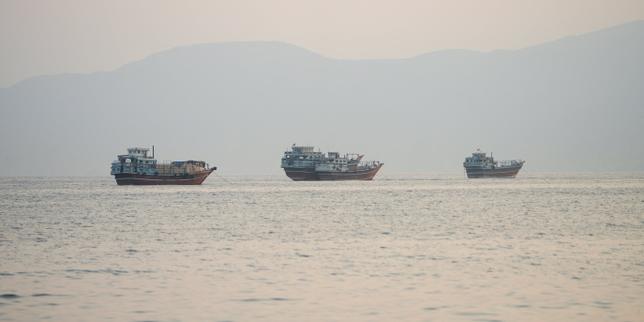
South Korea plans to widen the Cheonghae anti-piracy unit’s patrol area to waters near Duqm, Oman, while keeping the mission outside the Strait of Hormuz and under South Korean command. The proposal requires further government and parliamentary approval; officials describe it as non-combat, amid US pressure over the Iran war and concerns about protecting shipping and energy supplies.
- The proposed expanded patrol area would include waters near Duqm, Oman, about 650 kilometres from the Strait of Hormuz; the unit would operate outside the strait.
- The mission is described by South Korean officials as non-combat and independently commanded; patrol aircraft would not target or monitor Iranian territory or waters.
- The proposed expansion includes additional personnel and a P-8A maritime patrol aircraft; reports also describe mine-disposal or mine-clearing equipment and uncrewed vessels.
- South Korea’s government must pursue approval for the change, including a parliamentary vote; the reported sequence and proposed mandate end date vary across accounts.
- The plan comes amid US pressure for South Korean support in the Iran war and Seoul’s stated position against deployments that could draw it into the conflict.
Summary written by Lux AI from 5 articles
Key facts
- Proposed patrol location
- Waters near Duqm, Oman, about 650 km from the Strait of Hormuz.
- Current unit
- The Cheonghae unit has patrolled the Gulf of Aden since 2009.
- Personnel increase
- Reports describe adding 75 personnel.
- Oil imports
- South Korea sourced about 70% of its oil from the Middle East in 2025, with most passing through Hormuz.
- Reported piracy incidents
- Euronews says 36 incidents were reported off Somalia so far in 2026, compared with 11 in all of 2025.
Source spectrum
Far left
Left

Lean left


Centre


Lean right
Right
Far right
Left 3 · Centre 4 · Right 0 of 7 rated sources
Images from the coverage


Background
All coverage
Coverage over time
LeftCentreRight
Articles per hour since first reported, by side.
Ownership
- Corporation 43% (3)
- Government 29% (2)
- Non-profit 14% (1)
- Public broadcaster 14% (1)
Share of the 7 sources by owner type.