

Israel votes with Netanyahu’s future and coalition majority uncertain
Politics · First reported 26 Oct, 21:24 · Updated 07:54
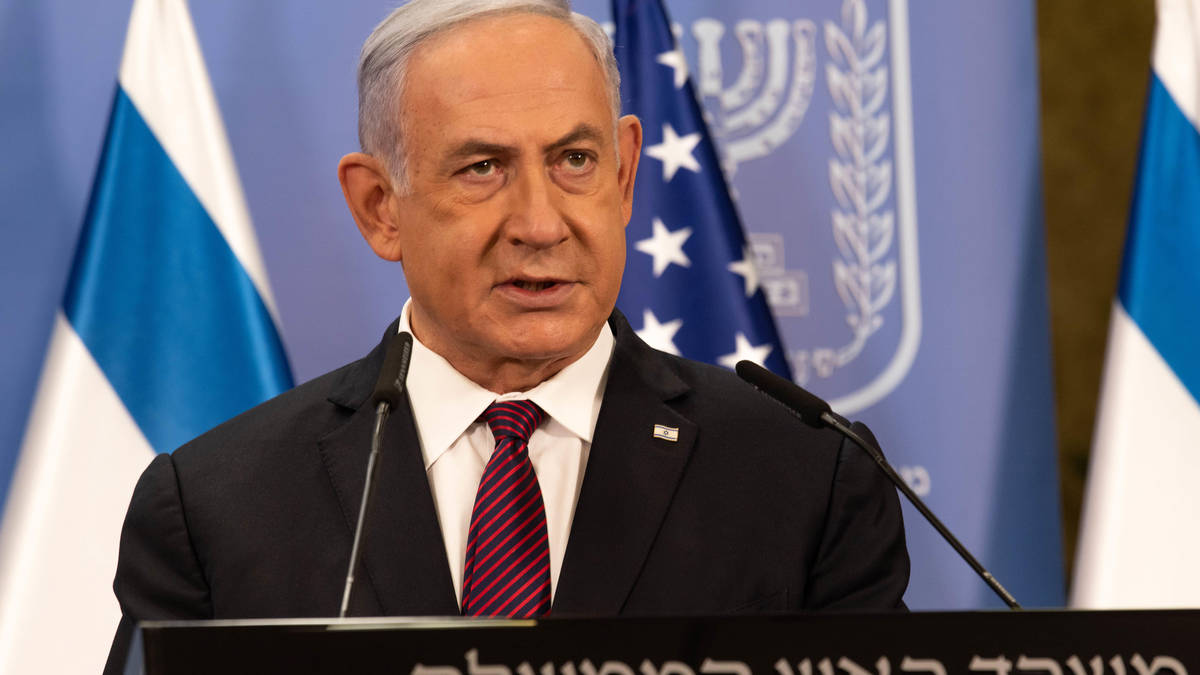
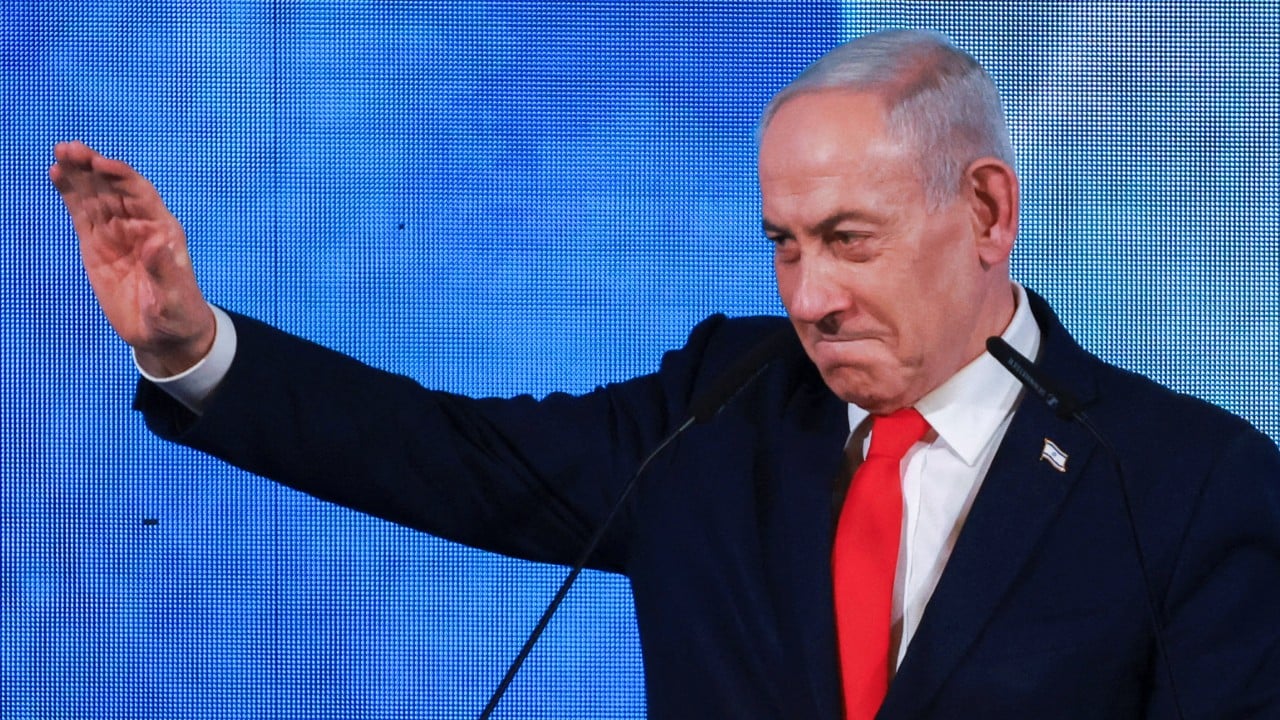
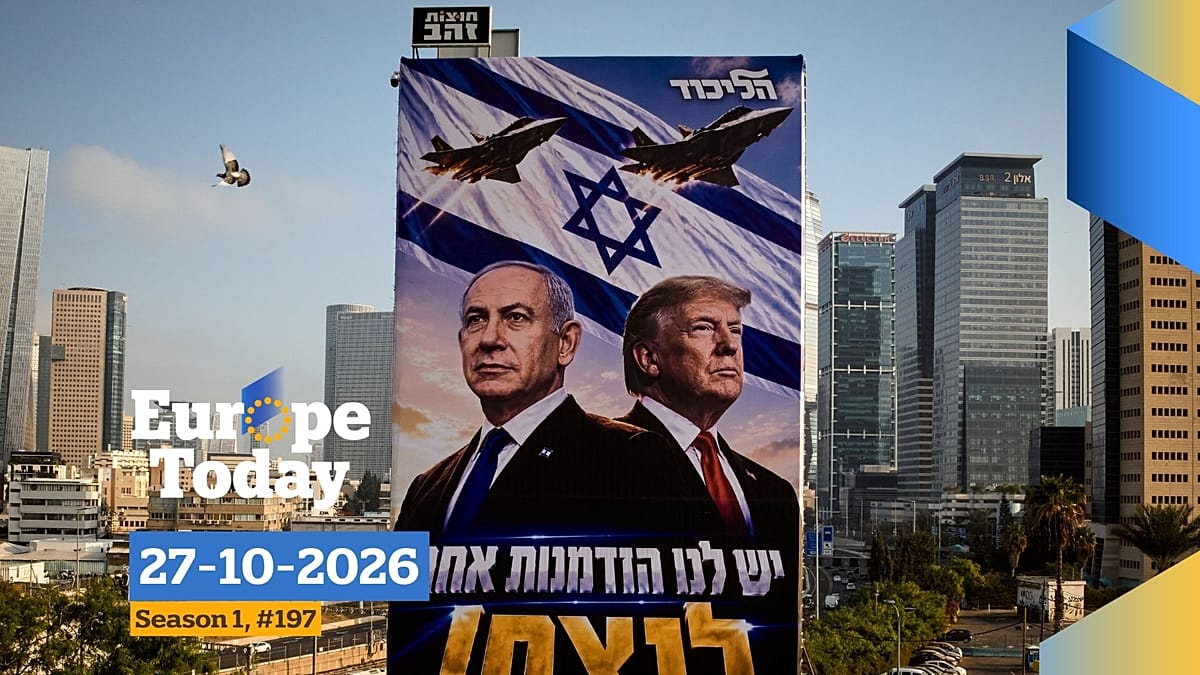
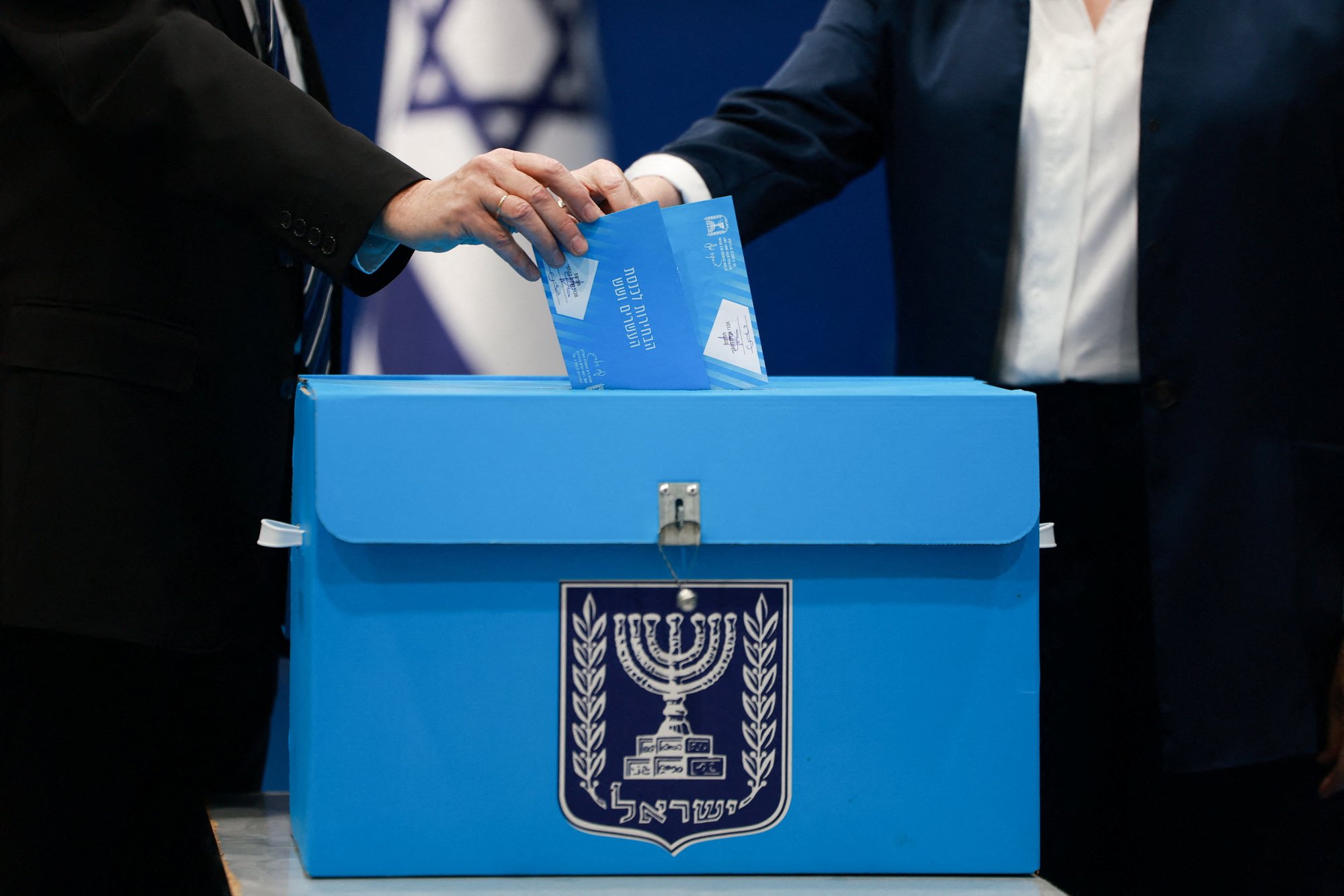
Israel is holding parliamentary elections on October 27, 2026, with Benjamin Netanyahu facing challengers led by Gadi Eisenkot and Naftali Bennett. Polls leave neither camp assured of a governing majority, making post-election negotiations crucial.
- Voters are choosing the 120-member Knesset through nationwide proportional representation. Forming a government requires support from at least 61 lawmakers, rather than simply finishing as the largest party.
- A Channel 12 poll cited in the coverage projected 23 seats for Eisenkot’s Yashar party and 22 for Netanyahu’s Likud. Both leaders received 38% support when respondents were asked their preferred prime minister.
- Accountability for the October 7, 2023, Hamas attack is central to the campaign. Eisenkot has promised a state commission of inquiry, while Netanyahu has emphasised subsequent military operations and strategic gains.
- Military-service exemptions for ultra-Orthodox men, judicial changes and household costs are also election issues. Disputes over conscription affect Netanyahu’s relationships with religious parties whose support can be decisive.
- Arab voter turnout could influence whether the opposition can assemble a majority. Eisenkot has ruled out partnering with Arab parties, although the coverage discusses possible outside support for a minority government.
Summary written by Lux AI from 6 articles
Key facts
- Election date
- October 27, 2026.
- Parliamentary majority
- 61 of 120 Knesset members.
- Electoral threshold
- Parties need 3.25% of the vote to enter the Knesset.
- Eligible electorate
- 7.3 million, including approximately 330,000 first-time voters, according to the election committee.
Source spectrum


Left 2 · Centre 9 · Right 1 of 12 rated sources
Images from the coverage



All coverage
Coverage over time
LeftCentreRight
Articles per hour since first reported, by side.
Ownership
- Corporation 25% (3)
- Public broadcaster 25% (3)
- Billionaire 17% (2)
- Unknown 17% (2)
- Non-profit 8% (1)
- Independent 8% (1)
Share of the 12 sources by owner type.