

Netanyahu faces Eisenkot challenge as Israel prepares to vote
Politics · Israel · First reported 25 Oct, 06:33 · Updated 22:07
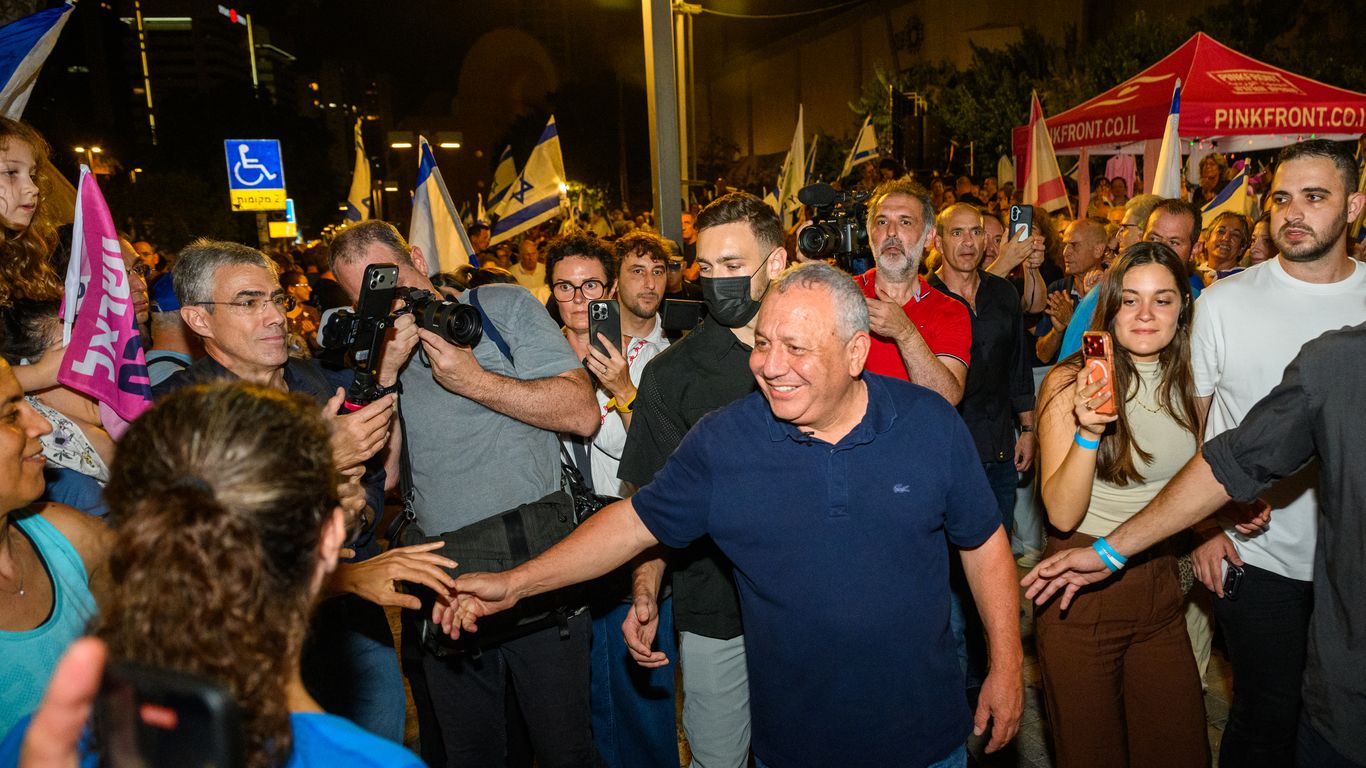
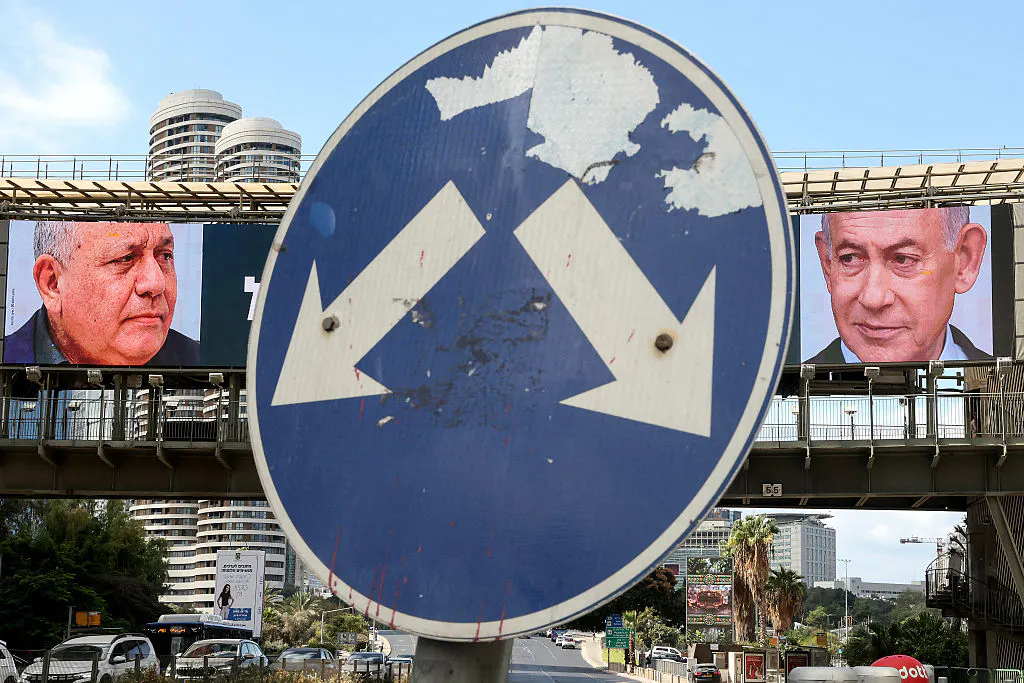
Israel’s Tuesday election centres on Benjamin Netanyahu’s future, accountability for the October 7 attacks and the consequences of war. Former military chief Gadi Eisenkot is challenging him, but polling reported in the supplied coverage leaves coalition prospects uncertain.
- Israel votes Tuesday in its first parliamentary election since the October 7, 2023 attacks. Netanyahu’s leadership and responsibility for security failures are central campaign issues.
- Former Israeli military chief Gadi Eisenkot leads Yashar against Netanyahu’s Likud. An October 20 Walla poll cited in the coverage projected 23 seats for Yashar and 19 for Likud.
- Winning the most seats does not itself secure the premiership: a leader must assemble parliamentary support to govern. Neither bloc has shown a consistent route to the 61 seats generally needed for a majority.
- Military service exemptions for ultra-Orthodox men are a campaign dividing line. Eisenkot supports ending broad exemptions, while Netanyahu depends on coalition parties that oppose drafting religious seminary students.
- Eisenkot promises to end Netanyahu’s rule and remove Hamas from power in Gaza. The Hindu reports that he opposes a Palestinian state, while The Daily Wire describes his rejection of a two-state agreement as achievable in the near future.
- Donald Trump has endorsed Netanyahu, stressing their partnership against Iran. Iran policy also features in exchanges between Netanyahu and Eisenkot over security and the government’s record.
Summary written by Lux AI from 6 articles
Key facts
- Election date
- October 27, according to The Straits Times headline.
- Parliament
- 120 Knesset seats; a majority generally requires 61.
- Electoral threshold
- Parties need at least 3.25% of the vote to enter parliament.
- October 20 poll
- Walla projected Yashar at 23 seats, Likud at 19 and Bennett’s B’Yachad at 14.
Source spectrum
Far left
Left
Lean left


Centre


Lean right
Right
Far right

Left 4 · Centre 3 · Right 1 of 8 rated sources
Images from the coverage


Background
- Earlier Lux coverage identified accountability, military exemptions and coalition-building as central issues in Netanyahu’s contest with Eisenkot.
- Earlier Lux coverage reported Palestinian displacement during an Israeli operation in Hebron as the election approached, with reported displacement totals varying across sources.
All coverage
- Two Candidates, Two Israels, One Nation in the Balance27 Oct, 05:19
- Who are the leading candidates in Israel's election?26 Oct, 06:02
- Who are the leading candidates in Israel's election?26 Oct, 06:02
Coverage over time
LeftCentreRight
Articles per hour since first reported, by side.
Ownership
- Corporation 50% (4)
- Independent 25% (2)
- Government 13% (1)
- Non-profit 13% (1)
Share of the 8 sources by owner type.