

Canada budget targets greater economic independence from the US
Politics · First reported 4 Nov, 21:10 · Updated 19:01
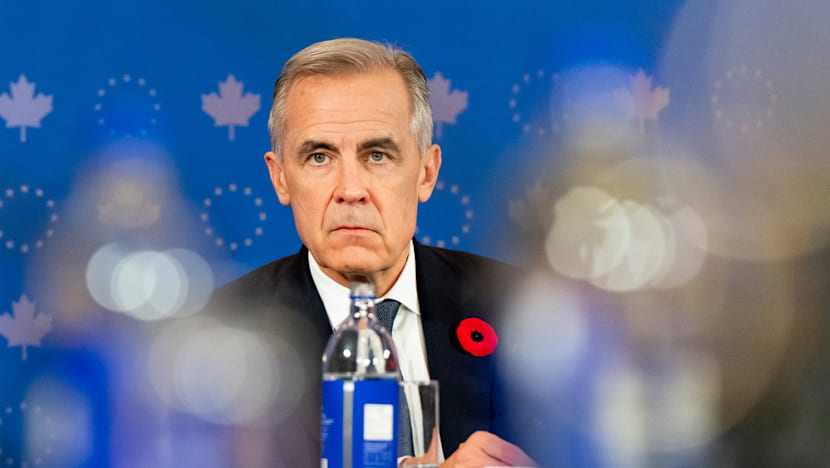
Prime Minister Mark Carney’s government presented a budget on Nov. 5 intended to reduce Canada’s reliance on the United States and diversify trade. The plan is expected to fund major energy and critical-mineral projects and support workers affected by US tariffs.
- Carney said Canada’s relationship with the US had changed permanently and that pre-Trump tariff-free trade would not return; he described greater independence and diversified alliances as priorities.
- The budget, presented on Nov. 5, was titled “Masters of our Destiny.” It is expected to direct funds to major national projects, including energy infrastructure and critical-mineral mining.
- Finance Minister Francois-Philippe Champagne said the budget would support workers affected by US tariffs, including in the auto and steel sectors.
- Democrats are set to take control of both chambers of Congress next year. Dominic LeBlanc said Canada’s tariff negotiations would be with the Trump administration, not Congress.
- The article says budget implementation will partly depend on the impact of tariffs, including whether they cause further job losses. It also reports that Carney’s Liberals have secured a parliamentary majority.
Summary written by Lux AI from 4 articles
Key facts
- Budget presented
- Nov. 5, 2026
- Budget title
- “Masters of our Destiny”
- Expected project areas
- Energy infrastructure and critical-mineral mining
- Workers identified for support
- Workers affected by tariffs in sectors including autos and steel
- Upcoming US congressional control
- Democrats are set to control both the House and Senate next year
Source spectrum
Far left
Left
Lean left
Centre


Lean right
Right
Far right
Left 0 · Centre 4 · Right 0 of 4 rated sources
Images from the coverage

Background
- An earlier Lux story was headlined “Canada says midterms won't change trade stance, sees talks with US officials.” [ccae8a95-6ab4-4092-975a-1974effa986a]
- An earlier Lux story focused on infrastructure gaps and specific claims as issues for the Assembly of First Nations ahead of the federal budget. [e942044c-15a1-4bdf-8e07-c84e14b2e014]
All coverage
Coverage over time
LeftCentreRight
Articles per hour since first reported, by side.
Ownership
- Public broadcaster 25% (1)
- Government 25% (1)
- Non-profit 25% (1)
- Billionaire 25% (1)
Share of the 4 sources by owner type.