

Study links seabird navigation errors to internal-clock mismatch
Science · First reported 29 Oct, 18:00 · Updated 01:42
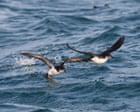
Analysis of 20 years of GPS data found that Manx shearwaters returning east across the Atlantic can have body clocks up to about an hour behind local time, affecting their sun-based navigation. Adult birds corrected course with small added distances, while inexperienced foragers may be more vulnerable to large deviations.
- Researchers analysed 20 years of GPS tracking data from Manx shearwaters returning to colonies on the UK’s west coast.
- Eastward flights across lines of longitude were associated with internal clocks running up to about an hour behind local time, which could affect the birds’ sun-compass navigation.
- Adults corrected their bearings, with an estimated small increase in journey distance; the researchers said inexperienced birds could deviate by hundreds of kilometres.
Summary written by Lux AI from 2 articles
Key facts
- Species
- Manx shearwaters.
- Data analysed
- 20 years of GPS tracking data.
- Clock mismatch
- Up to about an hour behind local time after eastward flights across lines of longitude.
- Adult birds
- Course errors added an estimated 3 miles to a 600-mile journey.
- Inexperienced birds
- First-time foragers could deviate by hundreds of kilometres.
Source spectrum
Far left
Left

Lean left
Centre
Lean right
Right
Far right
Left 2 · Centre 0 · Right 0 of 2 rated sources
All coverage
Coverage over time
LeftCentreRight
Articles per hour since first reported, by side.
Ownership
- Non-profit 50% (1)
- Corporation 50% (1)
Share of the 2 sources by owner type.